If you own a WordPress website for your business, you probably already know that launching the site is only the first step.
For your site to generate real results — whether it’s leads, sales, visibility, or brand awareness — it must be optimized for Google search.
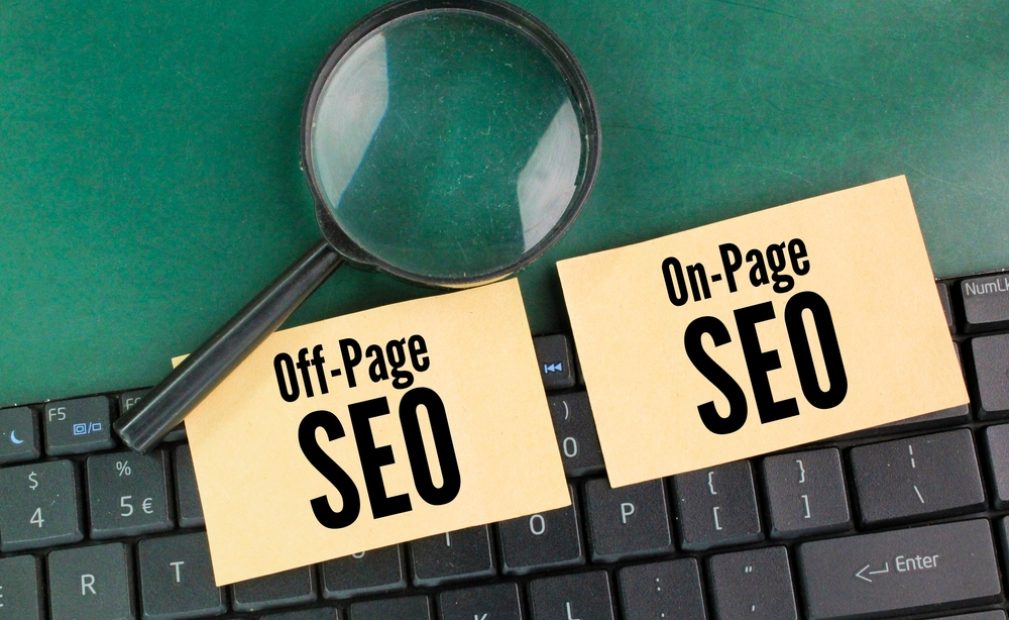
This is where WordPress SEO comes in, and it’s made up of two essential components: onsite SEO and offsite SEO.
In this article, we’ll dive deep into the differences between the two, explain why both are necessary, and give you tools to assess whether your website is truly working for you — or simply sitting idle.
What Is Onsite SEO for WordPress?
Onsite SEO focuses on everything that happens within your website — the elements you control.
The goal is to make your site clear, relevant, fast, and user-friendly, not only for visitors but also for search engines.
Key onsite SEO components include:
- Logical site structure: Proper use of headings (H1, H2, etc.), intuitive navigation menus, an updated sitemap, and fresh content help Google understand your site’s topic and hierarchy.
- High-quality content: Creating valuable, keyword-rich content that reads naturally improves credibility and rankings.
- Meta tags: Each page should have a unique title and meta description that include key terms and encourage clicks from search results.
- Mobile responsiveness: Most users now browse from mobile devices. A non-responsive site simply won’t perform well.
- Fast loading speed: Compressing images, using efficient plugins, and choosing quality hosting can significantly enhance speed and reduce bounce rates.
Solid onsite SEO forms the foundation of successful WordPress SEO. A well-structured, fast, and user-friendly website is one that Google wants to promote.
What Is Offsite SEO for WordPress?
While onsite SEO deals with your website’s internal elements, offsite SEO refers to actions taken outside your website to boost its authority, credibility, and visibility.
Key offsite strategies include:
- Backlink building: Getting links from reputable websites acts as a vote of confidence in your content and improves your authority.
- Brand mentions: Even without direct links, mentions of your brand or business name across the web can enhance visibility and trust.
- Social signals: Shares, likes, and engagement on social media platforms indicate relevance and amplify reach.
- Online reputation management: Reviews, testimonials, and user interactions help boost perceived trustworthiness.
- Guest blogging and collaborations: Publishing content on other sites allows you to demonstrate expertise while earning valuable links.
Whereas onsite SEO is about content and technical setup, offsite SEO is about relationships and reputation. And both are essential for sustainable WordPress SEO.
Why You Must Combine Onsite and Offsite SEO
Focusing only on onsite SEO may be tempting since it’s easier to control. However, without backlinks, mentions, and web presence, your site may never gain the authority it needs to rank well.
Conversely, building links without optimizing the site itself can result in high bounce rates and wasted traffic.
Combining onsite and offsite SEO is like a partnership: a well-built website that’s also endorsed externally will always perform better in search results.
How to Know What Needs Improvement
Ask yourself:
- Is my website fast, mobile-friendly, easy to navigate, and up-to-date?
- How many high-quality backlinks point to my site?
- Do I appear in relevant Google search queries?
- How much time do visitors spend on my site, and do they take action?
You can also use tools like Google Search Console, Ahrefs, or SEMrush to analyze your current SEO performance — from traffic sources to backlink profiles and keyword rankings.
Final Thoughts: A Double Investment for a Unified Goal
WordPress SEO doesn’t rely on magic tricks. It requires consistency, technical know-how, creativity — and above all, a long-term mindset.
If you want to rank higher on Google and attract quality traffic, you must invest in both onsite and offsite efforts. Treat them as two sides of the same coin.
If you’re just getting started or recently launched a new website, now is the best time to implement SEO strategically. Don’t wait until traffic drops to start fixing things.
And if you haven’t started yet, consider integrating SEO best practices right from the WordPress website development stage to ensure a solid foundation for future success.